Take three steps and let your garden be a home for wildlife.
Gardeners are a nurturing lot. We love to coax life out of seeds and cultivate plants that make our hearts sing. And we spend our free time making our gardens into beautiful extensions of our homes. But why stop there? Let’s make our gardens homes to all lifeforms by welcoming and sustaining a world of wildlife. For those of us who love nature, it can be overwhelming to read about our environmental crisis. Habitat loss (humans have developed 95% of our land to the detriment of biodiversity), pesticide use (we use approximately 80 million pounds of pesticides on just our lawns annually), and the proliferation of non-native plantings (80% of plants sold in the nursery are non-native) have all contributed to our massive biodiversity crisis. We have lost three billion birds in North America since 1970 and 22% of butterflies in the last twenty years, and 40% of our insects are facing extinction.
But here's a reason to hope, and even to take pride: gardeners are part of a beautiful, healthy, and joyful solution to the crisis. We are thrilled that most Open Days participants are part of the Nibbled Leaf program—our nature-friendly gardening initiative—and we are inviting all of you to join. Imagine the impact if 100% of gardeners participated!
To get you started, Perfect Earth Project recommends three simple promises that everyone can make to their properties. Make these commitments and soon you’ll go from “woe to wonder,” to quote the poet Gwendolyn Brooks. Start a path of endless discovery and joy by promising to...
Refuse to use pesticides and fertilizers. They are harmful—to you, your pets, and the Earth—and they are unnecessary, especially when you follow promises two and three (below). Pesticides (insecticides, fungicides, rodenticides, and herbicides) are lethal, killing all insects including the butterflies, bumblebees, and fireflies you want in your yard. Instead, let insects eat. Rejoice when you spot nibbled leaves: You’re supporting the ecosystem. Those leaves are feeding the caterpillars that are feeding our beloved songbirds. But if you’re not quite there yet, follow Doug Tallamy’s “10 step plan.” When you see a nibbled leaf, take 10 steps back, and problem gone.
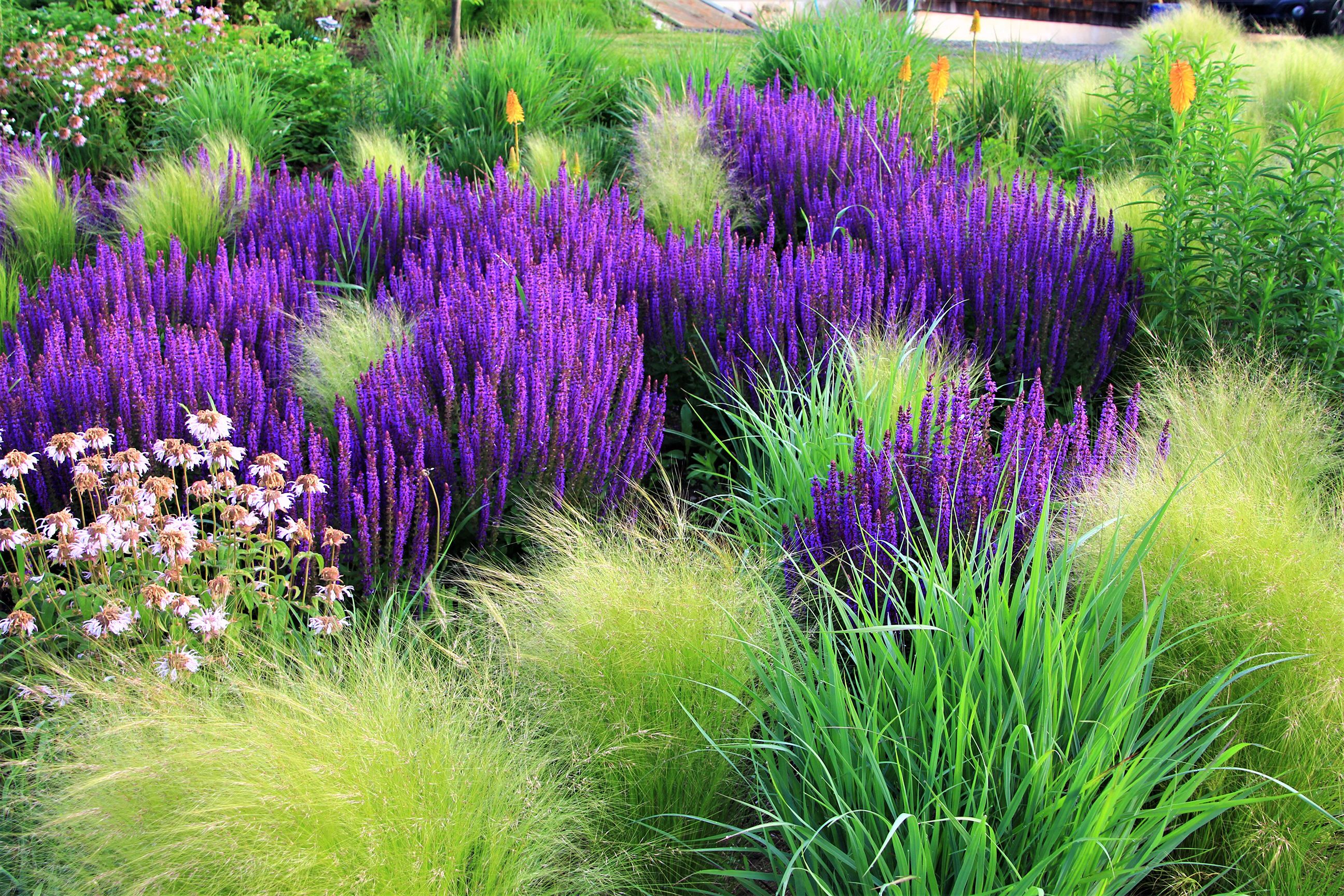
Grow native plants—or 2/3 for the birds. The "two thirds for the birds" Perfect Earth initiative stems from Doug Tallamy’s research indicating that when native plants make up at least 70%—or around 2/3—of biomass on a property, they should provide enough food for healthy populations of birds, butterflies, moths, and bees. No need to remove your favorite plants (unless they are invasive), simply add native plants to your garden. For every three new plants you buy, make two of them native plants.
When deciding what native plants to grow, think: “right plant, right place.” Since native plants are adapted to the area in which they evolved, they will flourish without fertilizers, pesticides, and fuss from us once they are established and grown in the right spot. Research the keystone plants for your area, understand your growing conditions, and don’t forget to have fun.
Native plants also have critical relationships with wildlife. Hummingbirds, for instance, have evolved to depend on the tubular blooms of native red columbine and cardinal flowers for food. Some species are even pickier. Most of us know that monarch butterflies need milkweed to survive. But they are not the only specialists. The endangered Karner blue butterfly cannot live without the wild blue lupine (Lupinus perennis) and the zebra swallowtail needs the leaves of the pawpaw tree for food. Host plants are vital to sustaining populations of these and other specialists. Provide habitat for them and other critters by giving all creatures—great and small—food, shelter, and water.
Close the loop. Keep all biomass (everything that came out of your soil) on your property, including all leaves, grass and plant clippings, and branches, even entire trees. Do not send them to the landfill. They're not waste, but a valuable resource, starting with compost. And don’t bring anything in (like unnecessary, imported mulch)—except, of course, for more plants!
When you leave the leaves beneath native trees and shrubs, you are providing a soft landing for overwintering insects like luna moths and woolly bears. When you remove them, you reduce the emergence of moth and butterfly populations by 45%!
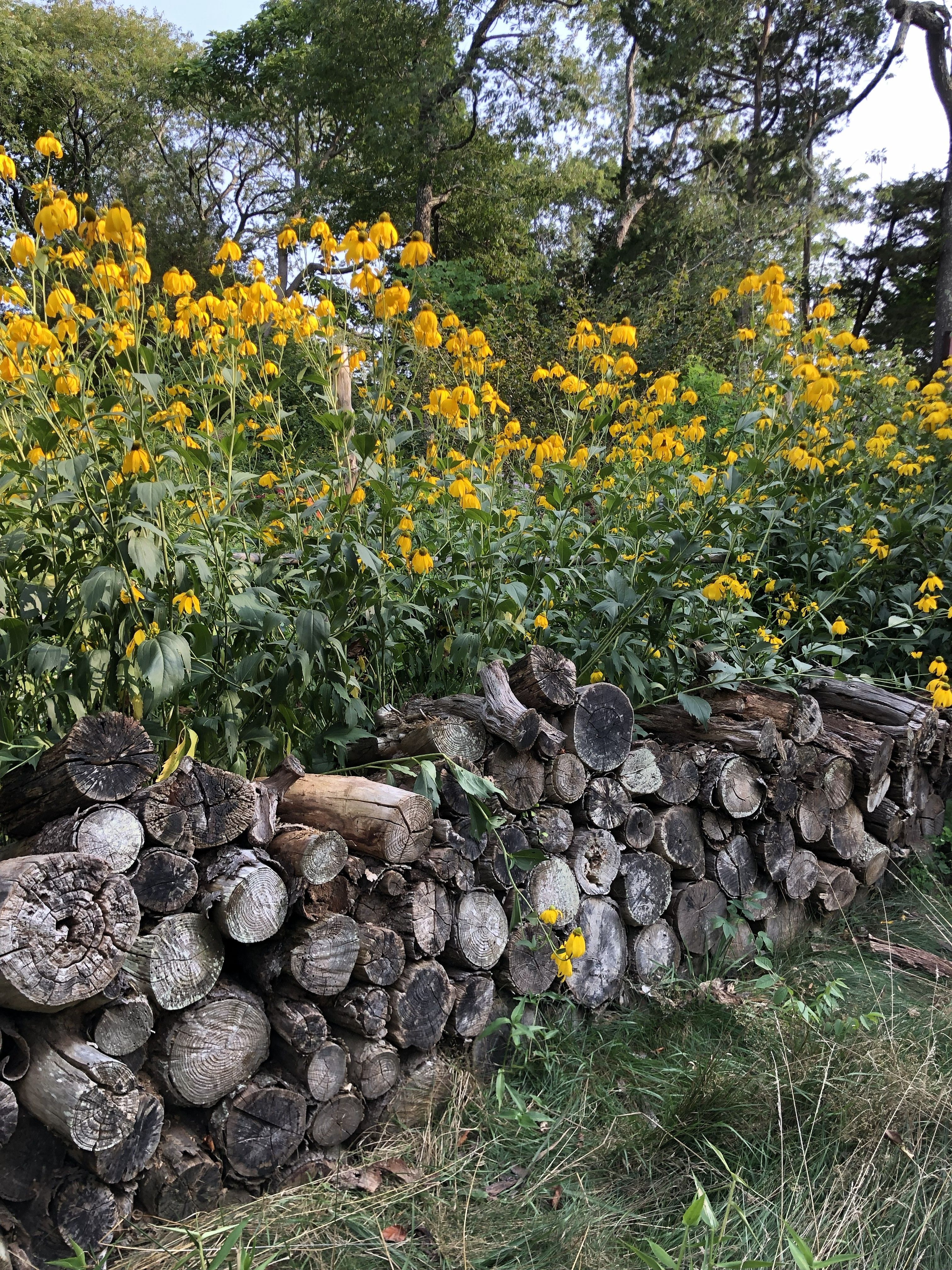
Let safe snags (dead trees) stand as sculpture to give insects, birds, and other wildlife vital habitat. Let your own creativity bloom, and design beautiful habitat stacks out of fallen twigs. Build log walls from fallen trees. Create haystacks from meadow cuttings. Weave thickets out of branches, and on and on. When these decompose, as all biomass eventually will, they will feed the soil. It's a PRFCT loop.
Learn more ways to minimize harm and maximize biodiversity at PerfectEarthProject.org.
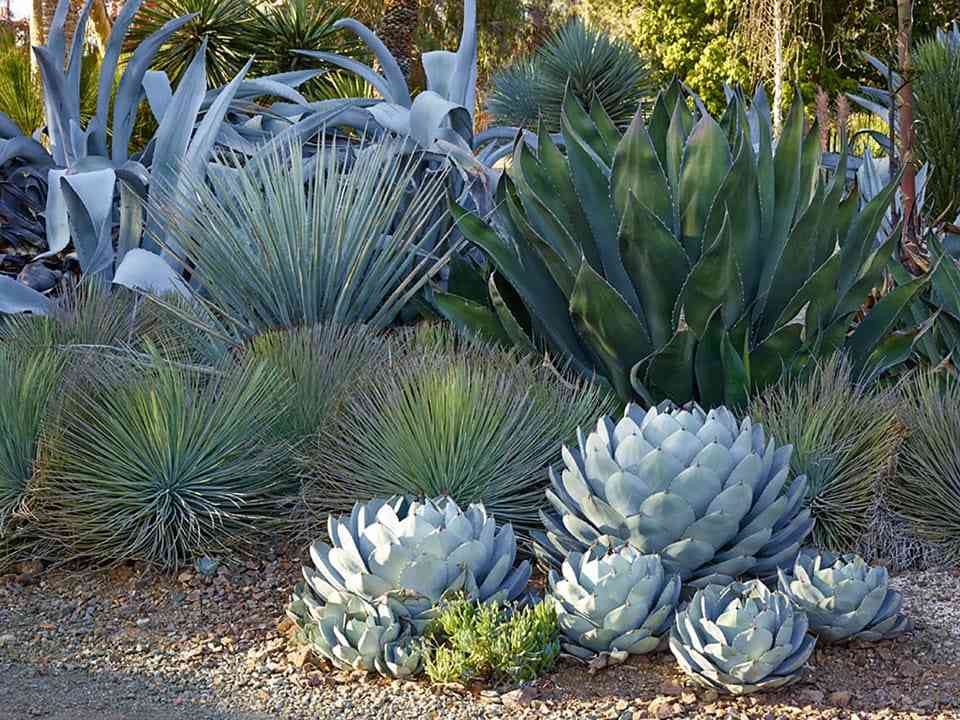
Featured Photo: David Nyzio's Garden, Stone Ridge, NY
Bottom Photo Courtesy of Perfect Earth Project