
News
Recent news about The Garden Conservancy, our programs, and our preservation and education partners around the country.
 The Gardens at Ball, West Chicago, IL
Chicago, IL – A private garden in Dupage County will open for public visitation as part of the Garden Conservancy Open Days™ program.
Visits to this garden will take place Saturday, August 3 from 10 a.m. to 4 p.m.
Read More...
 Wistarianhurst, Holyolk, MA
Western Massachusetts Private Gardens Open to the Public, August 3
Garrison, NY – Private Gardens in Hampden County, MA will open for public visitation as part of the Garden Conservancy Open Days™ program.
Visits to these gardens will take place Saturday, August 3 from 10 a.m. to 4 p.m.
Read More...
 Rockland Farm, Canaan, NY | Credit: Rich Pomerantz
Massachusetts and New York’s Private Gardens Open to the Public, July 28
Garrison, NY — Three gardens, two in Berkshire County, MA and one in Columbia County, NY, will open for public visitation as part of the Garden Conservancy Open Days Program.™
The gardens will open on Sunday, July 28 from 10 a.m. to 4 p.m.
Read More...
 Yaun Farm, Youngsville, NY
New York’s Private Gardens Open to the Public, July 27
Garrison, NY — Seven private gardens in Sullivan County will be open for public visitation as part of the Garden Conservancy Open Days Program.™
The Sullivan County gardens will open on Saturday, July 27 from 10 a.m. to 4 p.m.
Read more...

Lagniappe Garden, Roxbury, CT
Fairfield, Litchfield, Berkshire, and Dutchess County’s Finest Private Gardens Open to the Public, July 27
Garrison, NY — Eight private gardens across Fairfield and Litchfield Counties, CT, Berkshire County, MA, and Dutchess County, NY will be open for public visitation as part of the Garden Conservancy Open Days Program.™
All gardens will open on Saturday July 27 from 10 a.m. to 4 p.m.
Read more...
 The Gardens at 900, Lake Forest, IL
Four Chicagoland Private Gardens Open to the Public, July 27
Chicago, IL — Four private gardens in Chicagoland will open for public visitation as part of the Garden Conservancy Open Days™ program. There will also be opportunities for honey tasting from hives, guided tours of the prairie in bloom, and frog watching.
Visits to these gardens will take place on Saturday, July 27 from 10 a.m.-4 p.m.
Read more...
 Charlotte Moss
The Garden Conservancy to Honor Charlotte Moss at its Annual Benefit Luncheon at the San Francisco Fall Show on October 18
The Garden Conservancy is delighted to continue its cultural partnership with the San Francisco Fall Show, the leading international art, antiques, and design fair on the West Coast. This year, our annual benefit luncheon at the show will honor award-winning interior designer, author, philanthropist, and Garden Conservancy Fellow, Charlotte Moss. Read more...
 Edmund Hollander at the Norton Museum, West Palm Beach, FL
Landscape Architect Edmund Hollander Kicks Off National Speaking Tour at the Norton Museum of Art
In March, the Garden Conservancy hosted a special event at the Norton Museum of Art in West Palm Beach, FL, called The Landscape of Home, featuring acclaimed landscape architect Edmund Hollander. Joined by his colleagues Melissa Reavis and Geoff Valentino, Hollander discussed his new book of the same name, just published by Rizzoli. Read more...
.jpg) [Left to right] Richard Harker (Historic Oakland Foundation), Sheffield Hale (Atlanta History Center), Advolly Richmond, Robert Balentine (the Garden Conservancy), and Abra Lee (Historic Oakland Foundation)
[Left to right] Richard Harker (Historic Oakland Foundation), Sheffield Hale (Atlanta History Center), Advolly Richmond, Robert Balentine (the Garden Conservancy), and Abra Lee (Historic Oakland Foundation)
Advolly Richmond Captivates Audience with A Short History of Flowers at Atlanta History Center
Advolly Richmond enthralled an audience at the Atlanta History Center with a discussion of her new book, A Short History of Flowers, on the occasion of its publication. The event, held on May 14, was a delightful evening filled with insights into the fascinating world of flowers. Read more...
 Tour of the Hollyhock House, Los Angeles, CA
Garden Symposium Looks at Frank Lloyd Wright’s California Legacy and Explores His Lesser-Known Work
In April, the Garden Conservancy hosted the two-day Frank Lloyd Wright Garden Symposium: His Southern California Work and Legacy, which delved into a lesser known yet impactful period in the architect’s career. It offered a unique perspective on the architect’s exceptional talents, showcasing a design philosophy where buildings and gardens coexist in harmony. The event, held at the Wilshire Ebell Theatre in Los Angeles, attracted 110 attendees. Read more...
 Louise Wrinkle at the premiere of A Garden in Conversation: Louise Agee Wrinkle’s Southern Woodland Sanctuary
Birmingham Garden Weekend Brings the Conservancy Back to the Magic City
Garden enthusiasts in Birmingham, AL, were treated to a special weekend in early May, brimming with opportunities to explore the unique private gardens gracing the city and the premiere of a documentary film about the beloved Mountain Brook gardener, Louise Wrinkle, and her famed woodland garden. On Saturday, May 4, the Conservancy hosted its first Open Days after a thirteen-year hiatus, four exquisite landscapes rarely open to the public. Read more...
 Maxine Paetro (center right), of Broccoli Hall, Amenia, NY, is one of our six Cabot Award recipients.
Original Open Days Hosts Presented with Anne & Frank Cabot Award
The Garden Conservancy is pleased to honor garden hosts who have shared their gardens each year since the inception of Open Days with the Anne and Frank Cabot Award. Together, this remarkable collection of gardens has contributed over 250 Open Days and provided countless visiting hours for generations of visitors. Read more...
 Bunny Williams Garden, in Falls Village, CT
The New York Times Highlights Open Days!
The Garden Conservancy is delighted that its Open Days program is catching the media’s attention more than ever this season! We’ve had phenomenal local, regional, and now national press with Margaret Roach’s wonderful piece in The New York Times in early June. Read more...
2023 Garden Conservancy Financial Report

 Woodland garden path at Dunn Gardens, Seattle, WA
Civic Engagement to Strengthen and Support Public Gardens
Amidst a stunning display of rhododendrons, azaleas, woodland plants, and stately fir and deciduous trees, the Garden Conservancy Northwest Network (GCNN) convened at historic Dunn Gardens in Seattle, Washington for its Spring Workshop on May 2. Read more...

Water Garden, Ganna Walska Lotusland, CA | Credit: Kim Baile
Ganna Walska Lotusland Named Recipient of the Jean and John Greene Prize for Excellence in American Gardening
The Garden Conservancy is thrilled to announce that Ganna Walska Lotusland is the recipient of the esteemed Jean and John ePrize for Excellence in the Field of American Gardening. The prize, which comes with a generous $30,000 grant will help support the ongoing efforts to safeguard this remarkable garden for future generations as part of the Garden’s 30th Anniversary Lotusland Forever Capital and Endowment Campaign. Read more...

Arboretum Land
Preserving Pacific Northwest Gardens: Strategies for Sustainable Organizational Leadership
Lake Wilderness Arboretum in Maple Valley, Washington is home to one of the world’s largest collections of the Western Azalea (Rhododendronoccidentale). It contains 180 species of woody shrubs and trees, and it is filled with abundant native plantings and numerous display gardens, some of which contain collections rescued or donated from private gardens in the region. Adjacent to a second-growth forest and vast recreational area, the Arboretum is free and open to the public. Read more...

Edankraal, the garden cottage of Harlem Renaissance poet Anne Spencer, at her home in Lynchburg, VA.
The Garden Conservancy Releases Trailer for Upcoming Anne Spencer House & Garden Documentary
The Garden Conservancy has announced the release of a new film trailer that highlights its forthcoming documentary film about the Anne Spencer House & Garden in Lynchburg, VA. The trailer can be found on the Garden Conservancy website. The completed documentary will be released later this year. Read more...
Garden Gab
February Garden Gab

Pom Shillingford, Salisbury, CT, shares her experience as a flower farmer and being an Open Days host. Read her profile and see images of her garden.
January Garden Gab
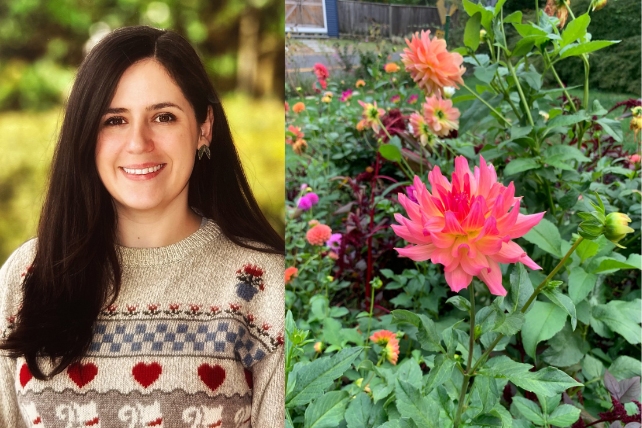
Jessica Dowling, Norwalk, CT, discusses her love of gardening and her enthusiasm for visiting Open Days. Read her profile and see images of her garden.

We are pleased to announce the recipients of the 2022 Garden Conservancy Grant Program and delighted to support their valuable work in communities across the country. Learn more.>

We are pleased to award the inaugural Page Dickey Grant for American Gardens to Garden Time in Providence, RI. Garden Time provides prison-based garden education programs and prepares incarcerated individuals for the workforce by supporting successful transitions to reentry and long-term employment. Learn more.
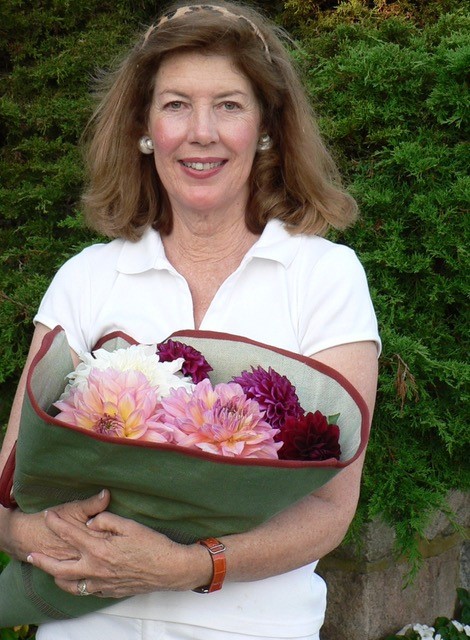
Fellow Christabel Vartanian was featured in our Fellows Focus for our May 2022 Society of Fellows e-newsletter. With gardens in New Jersey, New York, and Costa Rica, Christabel has inspiring words and photos to share with our gardening community. Read more.
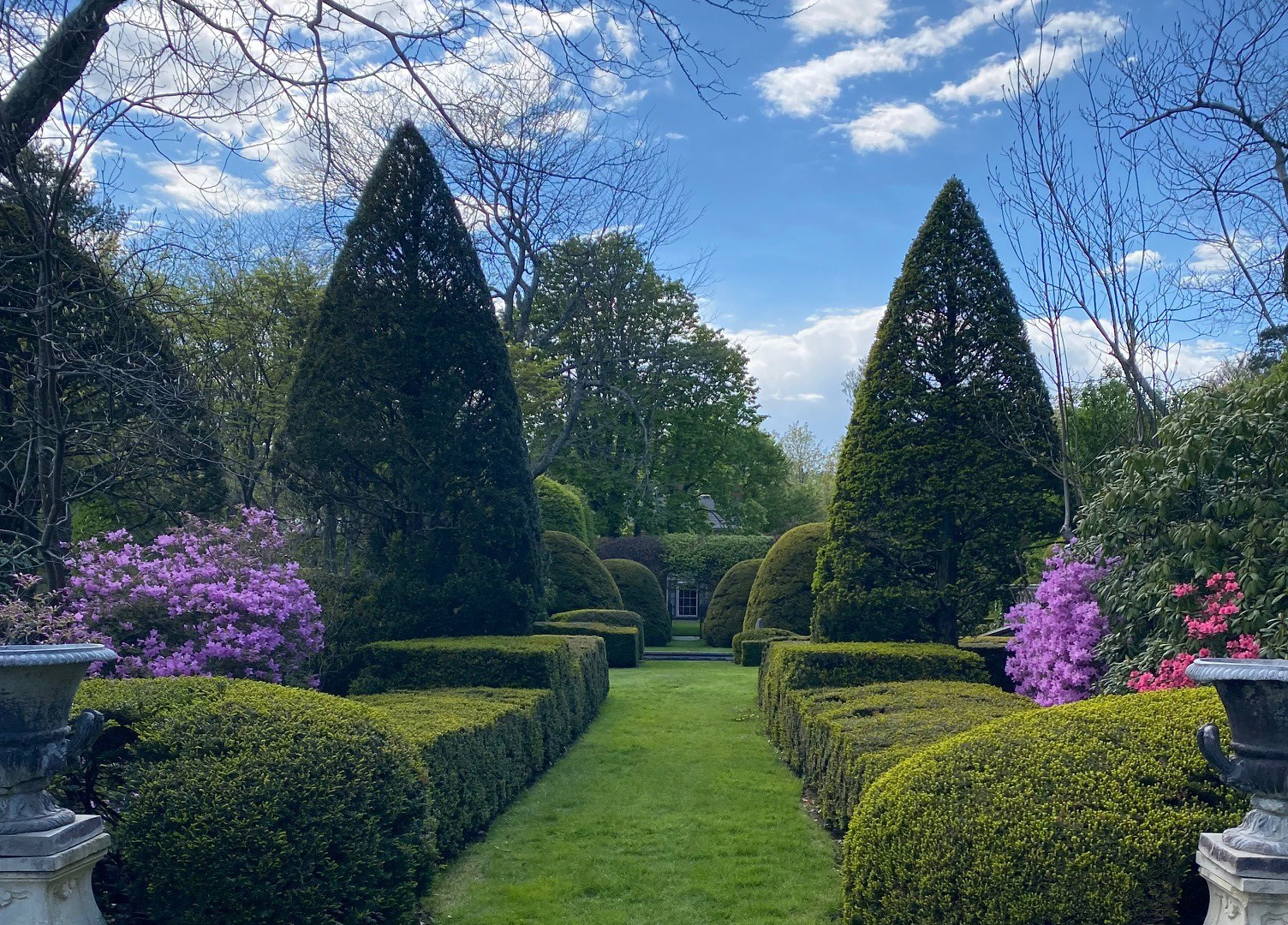
Wethersfield, an expansive landscape in Amenia, NY, created by Chauncey Devereux Stillman (1907–1989), is the inaugural recipient of the Jean and John Greene Prize for Excellence in the Field of American Gardening. Learn more about Wethersfield and the first awarding of this significant prize.

Open Days host Betty Montgomery shared her passion for gardening and what inspires her in the Fellows Focus of our February Society of Fellows e-newsletter.

Last year, the Garden Conservancy launched a new granting initiative, Gardens for Good. Through this program, we award grants to small public gardens and other nonprofit organizations within the United States making a significant impact in their communities through garden-based programming, with a focus on diverse populations. In 2021, we awarded eleven grants and plan to expand the program further this year. The deadline for submissions is April 15, 2022. Applications will be reviewed by an advisory committee and grants will be awarded in May. Learn more.

The Anne Spencer House & Garden Museum (above), in Lynchburg, VA, and the Ruth Bancroft Garden, in Walnut Creek, CA, were among Veranda magazine's "30 Most Beautiful Gardens in the World."

MARABAR, a significant work of art by renowned artist Elyn Zimmerman that was commissioned by National Geographic in 1984 for the entry plaza at its Washington, DC, headquarters, has found a new home at American University, after having been under threat of being demolished. Read more...

We recently rekindled our relationship with Fort Ticonderoga, in Ticonderoga, NY, and we are thrilled to be collaborating with them for 2022 educational programming! Read “Long Live the King(‘s) Garden! Perseverance and Preservation at Fort Ticonderoga,” the cover story of our December printed newsletter.

The Fellows Focus in our December Society of Fellows e-newsletter introduced us to Fellow Ellen Bowman and her gardens in Rhode Island and Texas. Read the excerpt.
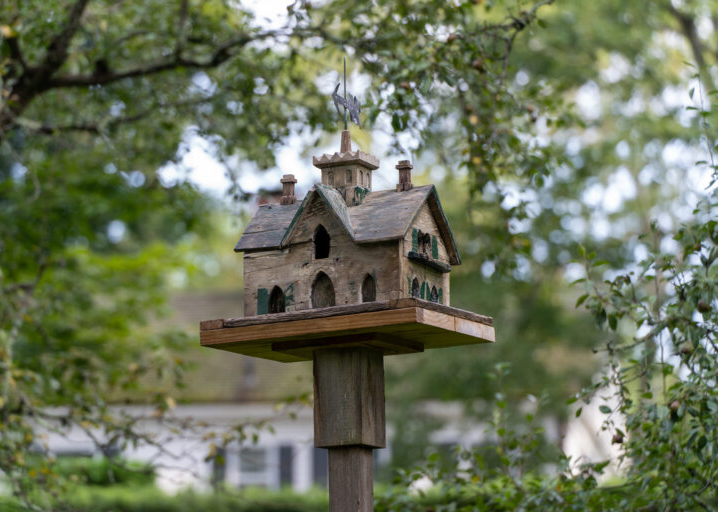
“Building the Birdhouse Village,” a recent post on design doyenne Bunny Williams’s blog, gave readers an up-close look at Bunny’s latest sanctuary.
We are thrilled to announce the new Page Dickey Grant for American Gardens, in honor of Page's lasting contributions to the Garden Conservancy and garden enthusiasts nationwide, as Page steps down from our board of directors. Read more...

The Ruth Bancroft Garden, in Walnut Creek, CA, is gearing up for their third annual Garden of d'Lights, which provides the opportunity to experience the garden's cacti and succulent collection in a whole new way. The installation runs through January 2022. Learn more and purchase tickets now. (photo: Earl Ruby)

We recently sat down with Fellow and Garden Conservancy Board member Fred Landman, who has transformed his Greenwich, CT, property from a quaint suburban backyard into Sleepy Cat Farm, a multi-faceted garden experience. Read the Fellows Focus excerpt from the September 22 issue of our Society of Fellows e-newsletter.

On November 13, the John Fairey Garden, in Hempstead, TX, will officially unveil "Footbridge for John" and a mind-boggling mosaic. Read more about these stunning new works of art and how they honor Fairey's legacy in an excerpt from the September issue of Garden Conservancy News.
.jpgnews.jpg)
On August 7, 2021, the 20th Annual Summer Gala and grand opening of the restored National Historic Landmark Pavilion at Fort Ticonderoga, in Ticonderoga, NY, was held. Read more...
Have you seen the beautiful illustrations by garden designer, artist, and Garden Conservancy board member Dana Westring, which grace the pages of our new #GardenPreservation book? Get to know Dana in this Fellows Focus excerpt from our July Society of Fellows e-newsletter!

In-person programs, including Open Days, Digging Deeper, and the Garden Masters Series, have resumed! Please pre-register online via our online calendar of upcoming events and join us in the garden and at our in-person events around the country! Photo: "Designing for the Future with Cues from the Past" Digging Deeper program with Leslie Needham, Saturday, June 12, 2021

Artist Marian McEvoy was the subject of the Fellows Focus interview in our May Society of Fellows e-newsletter. Read about Marian now.
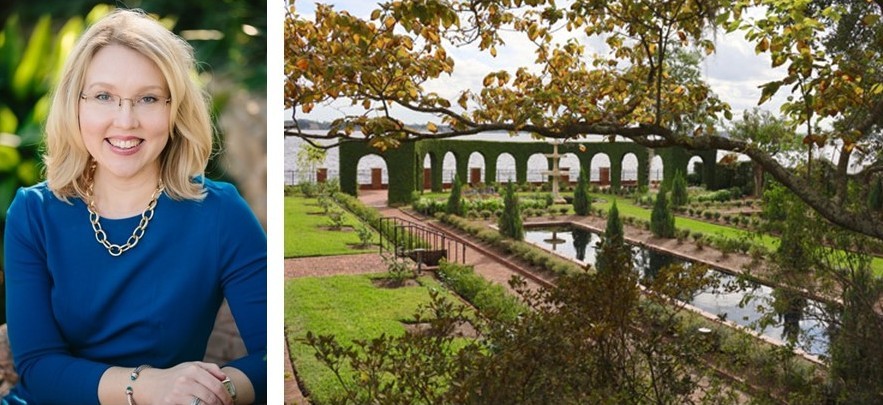
We are thrilled to bring back In My Garden: A Visual Diary, our email series for members. This season, we will be following eight intrepid garden enthusiasts, including Holly Keris (above), who serves as the J. Wayne and Delores Barr Weaver Chief Curator at the Cummer Museum of Art & Gardens, in Jacksonville, FL. Read more...

Acclaimed storyteller Beatrice Bowles plants the seeds of nature appreciation in young children through books, audiobooks, and performances. We recently spoke with her about what inspires her art and her gardening. Learn more in the Fellows Focus article from our April Society of Fellows e-newsletter.

Many of our partner gardens across the country will be opening their gates to the public for the 2021 season in the coming weeks, including Hollister House Garden, in Washington, CT (above), which opens on April 23. Read more...
<pstyle="font-size: 14px;>
We recently caught up with Ron Fleming, who was the subject of our Fellows Focus in the February issue of our Society of Fellows e-newsletter. Read more...
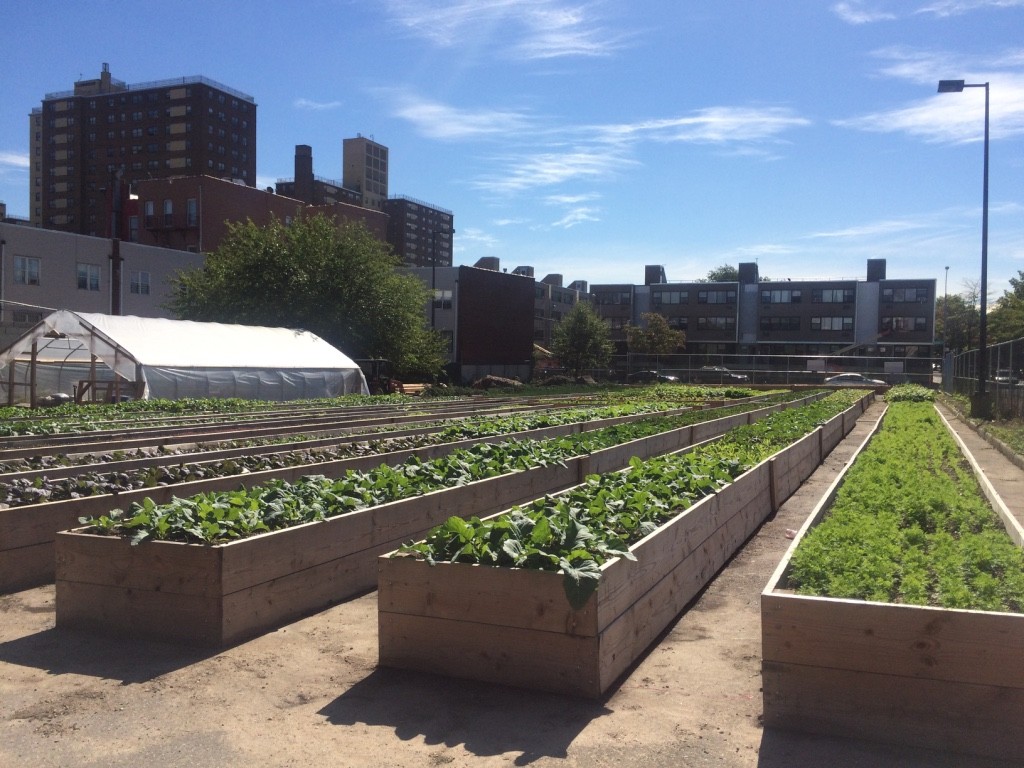
We are thrilled to announce our Gardens for Good grant initiative, which allows us to assist small public and community gardens or organizations that are making a significant impact in their communities through garden-based programming. Learn more.
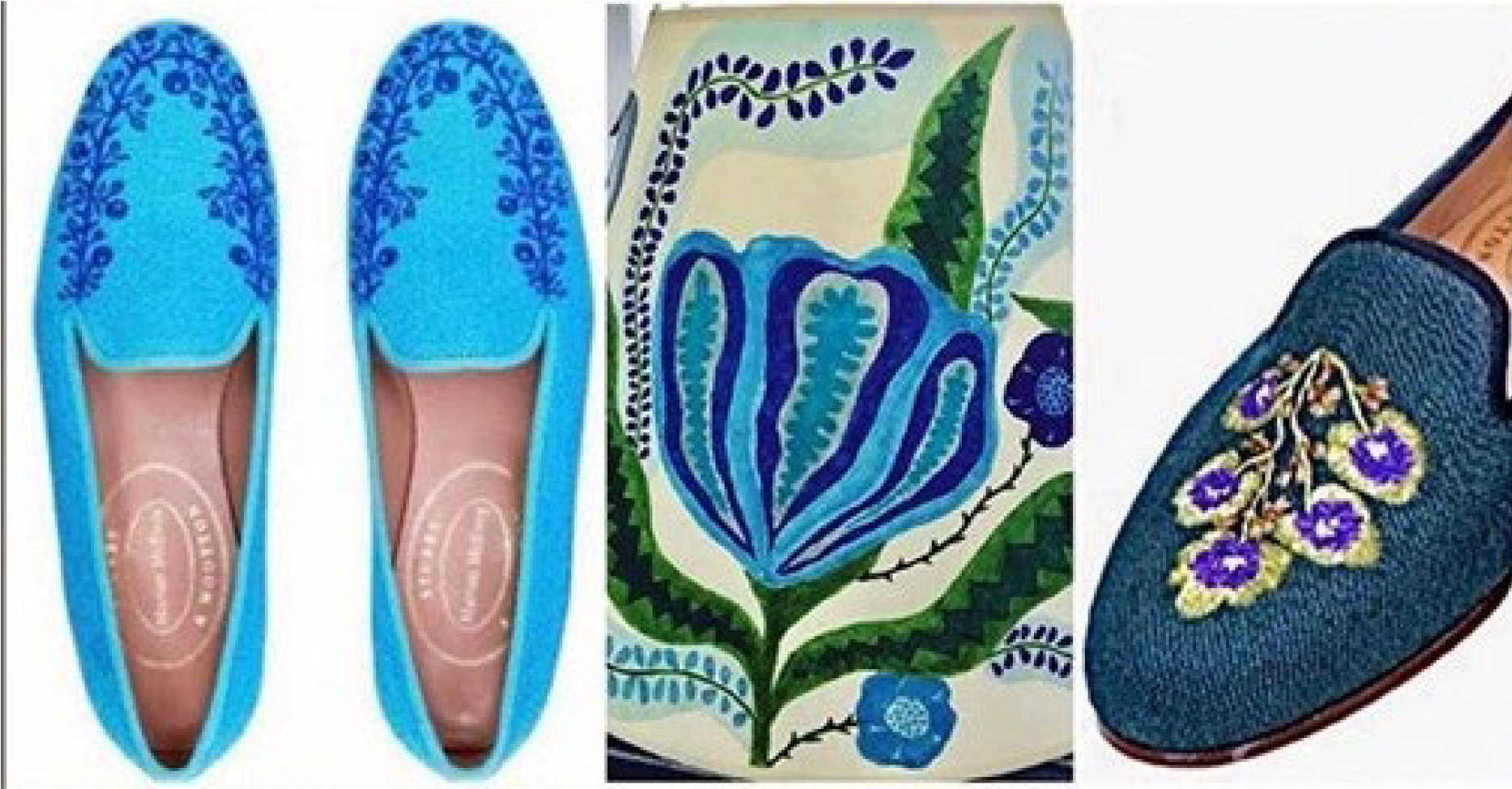
A drawing of a garden entrance designed by Marian McEvoy for our #OpenDays25 book, which the Garden Conservancy published last June in celebration of the silver anniversary of our Open Days program, has a new life. Marian’s design (above) is part of a line of linen slippers with botanical images by Marian. The slippers, embroidered in blue on blue, were designed for KRB in New York City, by Stubbs and Wootton.
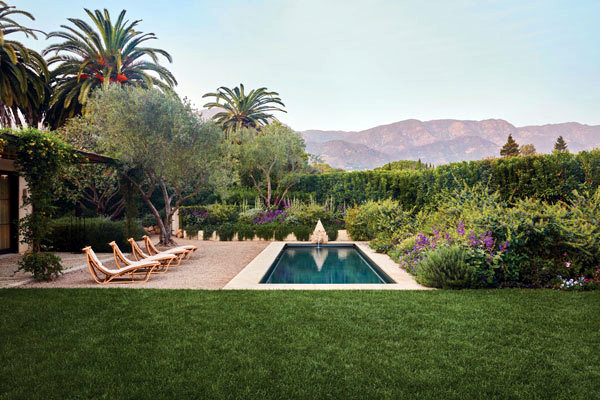
The tranquil Montecito escape of Suzanne Rheinstein, a Garden Conservancy board member since 2004, was featured in Architectural Digest (February 17, 2021). Suzanne's breathtaking garden was designed by Garden Conservancy Society of Fellows member Nancy Goslee Power. Read more...
Garden Gab

PUBLISHED JUNE 2024
The Garden Conservancy
Publications
Become a member and you'll get a subscription to all of our printed and electronic publications.
A few personal perspectives
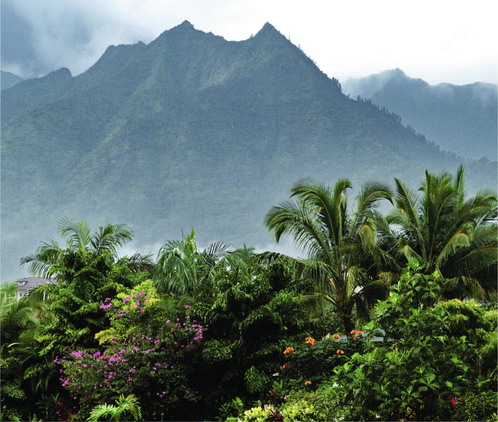
Distinguished Garden Properties for Sale
Become the owner of a distinguished garden property